
About Cool Move — Refrigerated Transport Built for Fujairah and Ras Al Khaimah
We’re Cool Move, and we move chilled and frozen cargo across Fujairah and Ras Al Khaimah — run out of two depots, one in Dibba Al Fujairah and one in Ras Al Khaimah City, since 2018. Here’s how we see it: a cold chain either holds the whole way, or it doesn’t hold. Cargo that was cold for most of the trip is just a warm delivery, and everyone in this business knows it.
Keeping it cold the whole way is harder out here than most will let on — the distances, the brutal summer heat, the ports on their own clock, the tight delivery windows. We’ve spent years learning exactly where a cold chain slips across the Northern Emirates and how to stop it. This page isn’t about our history. It’s about what we’ve worked out, load after load.
What Coastal Humidity Does That Heat Alone Doesn't
Most refrigerated fleets are specced for dry heat — the Dubai standard. The Northern Emirates aren’t dry. Humid coastal air holds and transfers heat differently, so a spec built for the desert doesn’t automatically hold up here.
Humidity brings a second problem: condensation. When humid coastal air meets a cold interior during loading, moisture forms — a real risk for packaging, dry goods, and anything moisture-sensitive, even when the temperature never moved.
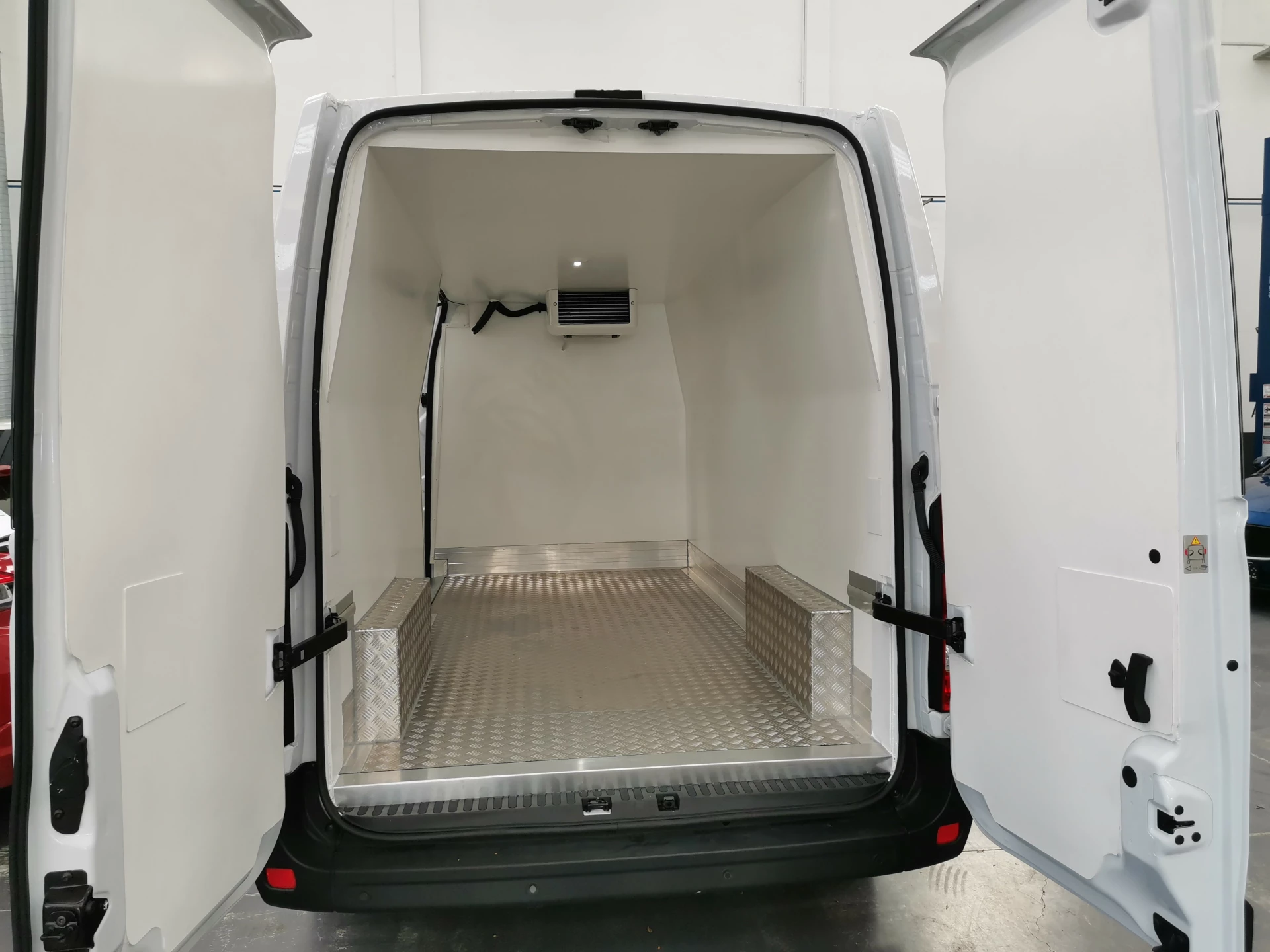
So our vehicles are built and loaded with humidity in mind, not just heat. It’s a detail most specs miss, because they weren’t written for this coastline.
What Years of These Routes Taught Us
Different cargo goes wrong in different ways, and you only learn how by moving it for years.
Early on, we lost a seafood load. We’d sent a vehicle to Fujairah Port when the catch was “ready” — but landed and cleared aren’t the same thing, so the driver waited, doors opening in the morning heat while the paperwork sorted itself out. The van left us cold; it wasn’t by the time it loaded. We didn’t lose the fish, but we lost the buyer’s trust — and that stung more.
Now our port vehicles arrive cold and stay shut until the cargo’s actually in hand. Most of what we’ve learned out here has been small changes like that, earned the hard way.
Why Two Depots, Not One Big One
The cheaper way to run a cold chain fleet is one large yard in Dubai and long drives out to everyone else. We chose the opposite: two smaller depots, one in Dibba Al Fujairah and one in Ras Al Khaimah City, each with its own vehicles, drivers and maintenance team. It costs us more — duplicate staff, duplicate facilities, approvals from two municipalities — but it means every customer is served by people who live and work in their own emirate and know its ports, resorts and farms first-hand.
Our Fleet: 75 Vehicles, Built Around the Work
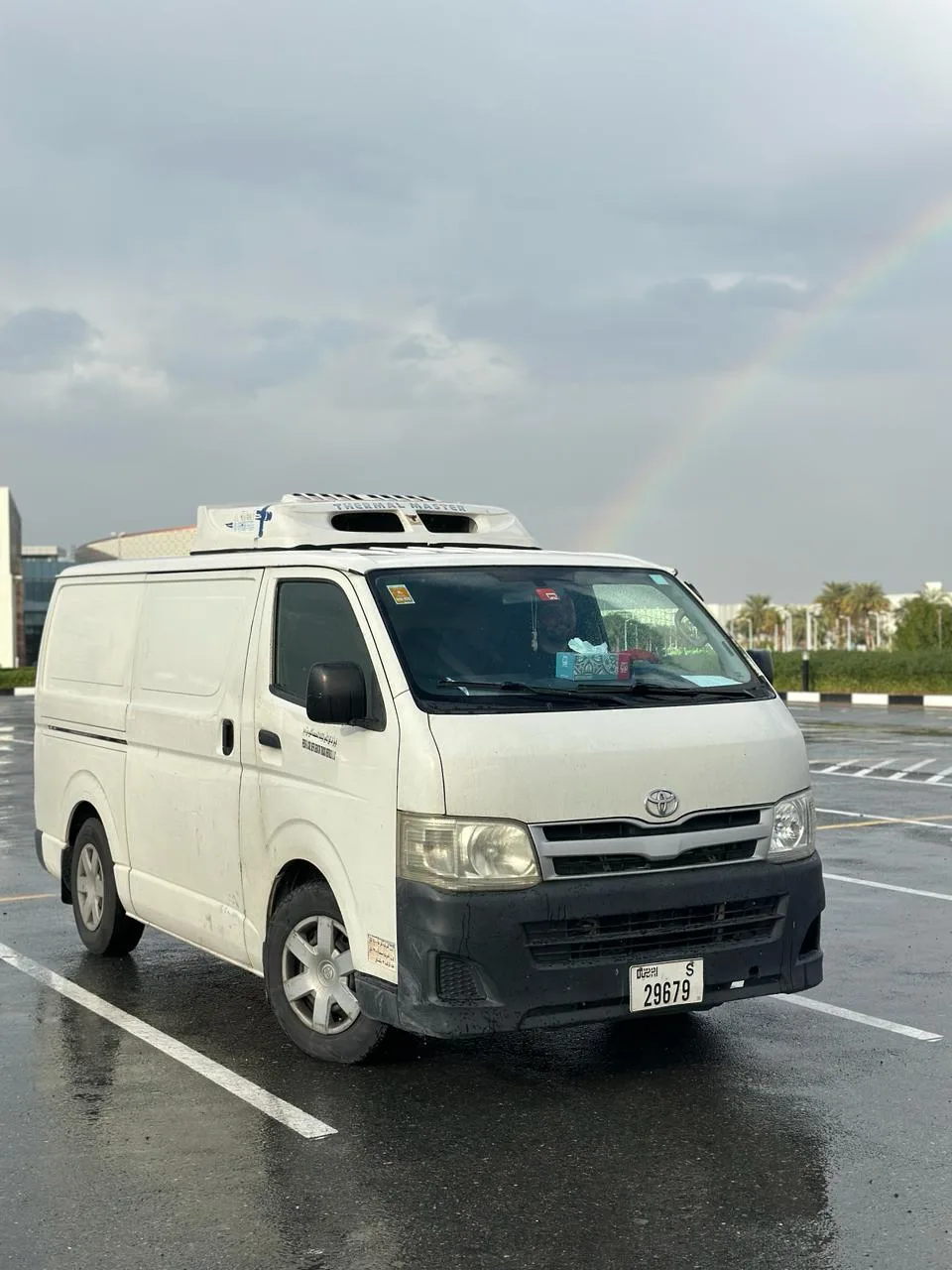
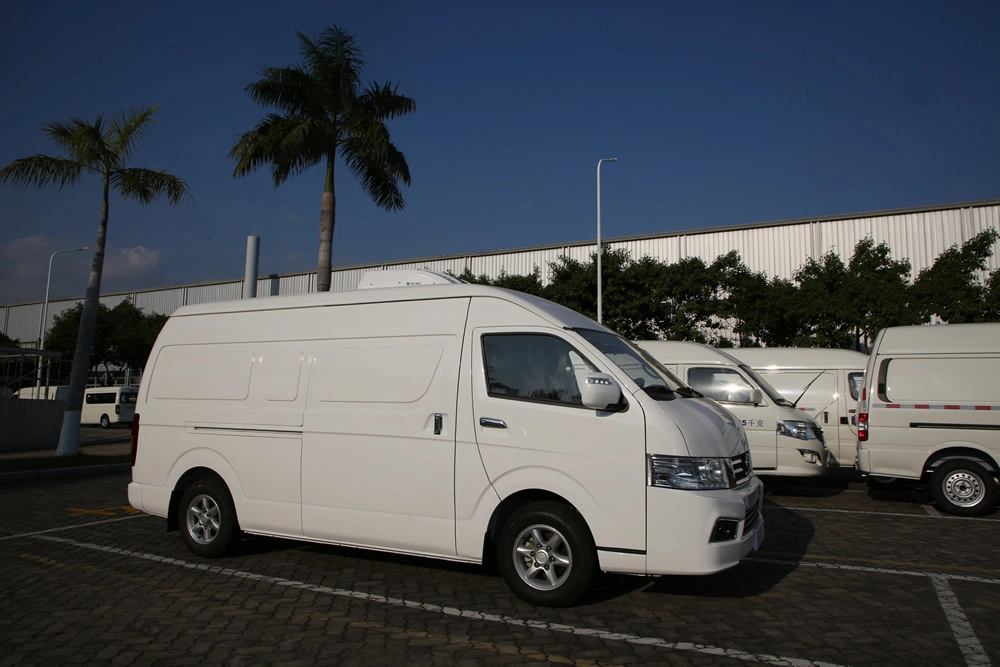
Our 75 vehicles aren’t spread evenly across the five types — the mix follows the work we actually get.
Vehicle | Count | Tonnage |
|---|---|---|
| Chiller Vans | 30 | 1–1.5 ton |
| Freezer Vans | 20 | 1–1.5 ton |
| Chiller Trucks | 15 | 3, 7 & 10 ton |
| Freezer Trucks | 5 | 3, 7 & 10 ton |
| Refrigerated Trucks (Dual-Zone) | 5 | 7–10 ton |
Most of our fleet is chiller vans, because the daily bread out here is city produce, dairy and pharmacy runs — small, frequent, chilled. The trucks are fewer but heavier, for bulk work off the ports and supermarket supply. And we keep dual-zone trucks because the corridor between the two emirates so often means chilled and frozen on the same trip — one vehicle, two temperatures, no second run.
The Paperwork That Matches the Emirate
There’s a quiet tell on a lot of cold transport websites: a Fujairah or RAK page listing Dubai Municipality or Dubai RTA approval —authorities that don’t govern these emirates. If the paperwork doesn’t match the emirate, it won’t help you when it matters.
Ours matches. We’re approved for food transport by Fujairah Municipality and Ras Al Khaimah Municipality, meet MOCCAE requirements where the cargo calls for it, run the fleet to HACCP standards, and hold our trade licence in the emirates we work in.
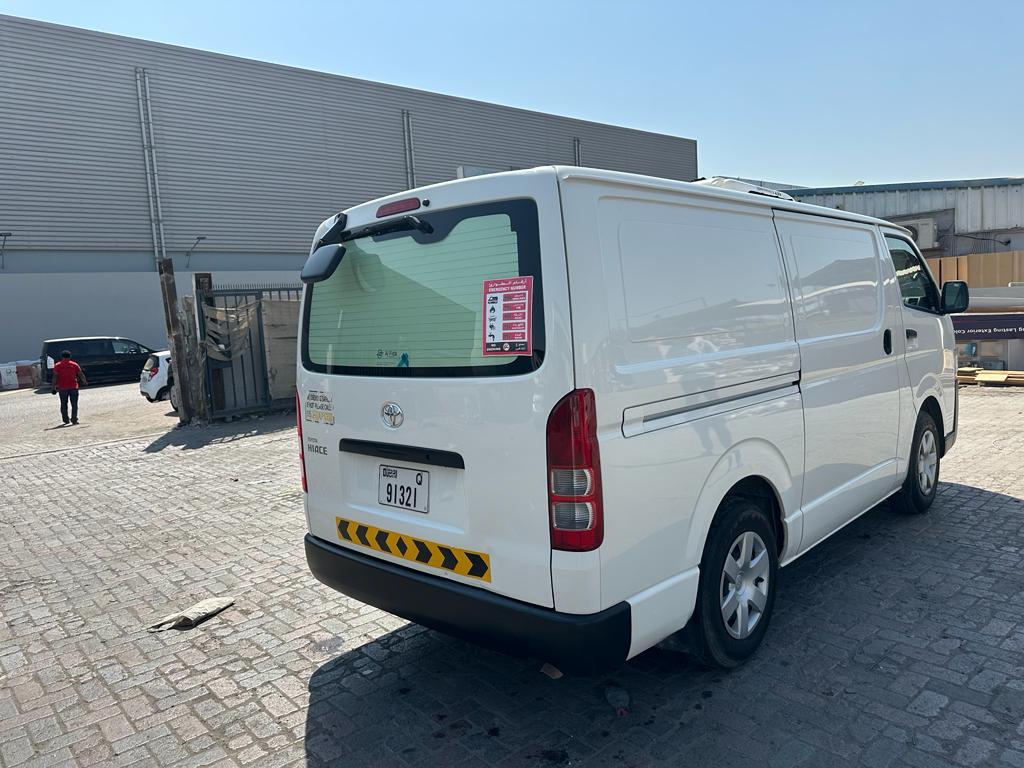
That matters at the receiving gate, not just on the road. A hospital or supermarket can refuse a load from a vehicle it can’t verify — and a rejected load is the sender’s loss. Correct local approvals are what get your goods accepted. Every vehicle logs its temperature too, so proof is ready when an audit asks.
Where We're Not the Right Fit
Most companies won’t tell you what they’re bad at. Here’s ours: we’re not a Dubai fleet, and we don’t pretend to be. If your cargo lives mostly in Dubai or the western emirates, a company based there will serve you faster and cheaper — and you should use one.
What we’re built for is the other thing: cold loads that move on the East Coast, or between Fujairah and Ras Al Khaimah. That’s not a market we cover on the side — it’s the whole reason the business exists. Not sure which side your route falls on? Tell us where your cargo starts and ends and we’ll give you a straight answer, even if it’s someone else.
Built for This Coast
We’re not trying to be the biggest cold chain in the UAE — just the one that knows this coast better than anyone driving in from somewhere else. If you’ve got cold cargo to move across Fujairah and Ras Al Khaimah,, we’d like to move it. Talk to our team →